Treatment Methods
What is Manual Therapy?
Manual Therapy is a specialised form of physiotherapy that focuses on the assessment and treatment of musculoskeletal disorders. Using specific hands-on techniques and joint mobilisation, the therapist treats joints, muscles, and nerves to relieve pain and improve mobility.
The aim of Manual Therapy is to restore the body’s natural function and provide long-term relief from pain and movement restrictions.
⸻
When is Manual Therapy used?
Manual Therapy can be beneficial for a wide range of musculoskeletal conditions, including:
* Back and neck pain
* Shoulder pain
* Hip and knee pain
* Joint restrictions
* Limited mobility
* Muscle tension
* Headaches originating from the cervical spine
* Pain and stiffness following injuries or surgery
After a thorough assessment, the treatment is individually tailored to your specific condition and needs.
⸻
How does the treatment work?
The treatment begins with a comprehensive examination to assess your mobility, joint function, and muscular condition.
Your physiotherapist then uses specialised mobilisation techniques and manual therapy techniques to treat the affected areas. Depending on your condition, active exercises, stretching, or stabilisation exercises may also be included in your treatment plan.
The goal is to reduce pain, restore normal movement, and improve overall function.
⸻
Is the treatment painful?
Manual Therapy should generally not be painful.
During treatment, you may experience a slight feeling of pressure or stretching in sensitive areas. However, the intensity is always adjusted to your comfort level.
Good communication between the physiotherapist and the patient is an important part of successful treatment.
⸻
What are the benefits of Manual Therapy?
✔️ Relief from pain
✔️ Improved mobility
✔️ Restoration of normal joint movement
✔️ Reduced muscle tension
✔️ Improved natural joint function
✔️ Support for recovery after injuries or surgery
✔️ Personalised treatment tailored to your individual needs
⸻
Are there any side effects?
Manual Therapy is considered a very safe treatment when performed by a qualified physiotherapist.
After treatment, you may occasionally experience temporary reactions such as:
* Mild muscle soreness
* Slight fatigue
* A feeling of tightness
* Temporary sensitivity in the treated area
These symptoms usually disappear within one or two days.
⸻
Frequently Asked Questions
How many treatment sessions will I need?
The number of sessions depends on the type and duration of your condition. Many patients notice significant improvement after just a few treatments. Chronic conditions may require a longer course of therapy.
Can Manual Therapy be combined with other treatments?
Yes. Manual Therapy is often combined with physiotherapy exercises, Dry Needling, or other physiotherapy techniques to achieve the best possible treatment outcome.
⸻
Conclusion
Manual Therapy is a proven and effective treatment method for improving mobility and relieving pain. Through targeted hands-on techniques and individual treatment approaches, functional problems can be identified and treated, helping you move more freely and comfortably again.
⸻
Get in Touch
Would you like to find out whether Manual Therapy is the right treatment for you?
Book an appointment at our physiotherapy practice in Santa Ponça. We look forward to welcoming you personally.
What is Manual Lymphatic Drainage?
Manual Lymphatic Drainage (MLD) is a specialised physiotherapy technique designed to support the body’s natural lymphatic flow. Using gentle, rhythmic, and circular hand movements, the therapist stimulates the lymphatic system to help remove excess fluid from the tissues.
This can reduce swelling, promote healing, and improve overall well-being.
⸻
When is Manual Lymphatic Drainage used?
Manual Lymphatic Drainage may be recommended for a variety of conditions, including:
* Lymphoedema
* Swelling after surgery
* Swelling following injuries
* Lipoedema
* Venous disorders
* Scar treatment
* Sports injuries
* Recovery after joint surgery (e.g. knee or hip replacement)
Every treatment is individually tailored to your specific condition and medical needs.
⸻
What happens during the treatment?
Your treatment begins with a thorough assessment.
The therapist then uses gentle, rhythmic hand movements to stimulate the flow of lymphatic fluid. Because the lymph vessels are located just beneath the skin, only light pressure is required, making the treatment completely pain-free.
Depending on your condition, the treatment may be combined with compression therapy, exercise therapy, or specific rehabilitation exercises.
⸻
Is the treatment painful?
No.
Manual Lymphatic Drainage is a very gentle and relaxing therapy. Most patients find the treatment pleasant and calming.
Only light pressure is applied throughout the session.
⸻
What are the benefits of Manual Lymphatic Drainage?
✔️ Reduces swelling
✔️ Stimulates lymphatic drainage
✔️ Supports wound healing
✔️ Relieves pain
✔️ Improves mobility
✔️ Promotes recovery after surgery and injuries
✔️ Gentle and relaxing treatment
⸻
Are there any side effects?
Manual Lymphatic Drainage is considered a very safe treatment when performed by a qualified therapist.
Occasionally, patients may experience:
* Increased need to urinate
* Mild tiredness
* Temporary circulatory reactions (such as slight dizziness)
These reactions are usually harmless and indicate that the body is responding to the treatment.
However, Manual Lymphatic Drainage is not suitable for certain medical conditions, including acute infections, untreated heart failure, or acute thrombosis. For this reason, every treatment begins with a careful assessment.
⸻
Frequently Asked Questions
How long does a treatment session last?
Depending on your condition and medical prescription, treatment usually lasts between 30 and 60 minutes.
How many treatments will I need?
The number of sessions depends on the cause of the swelling and your individual recovery process. Your physiotherapist will create a treatment plan tailored to your needs.
Can I exercise after treatment?
Light physical activity, such as walking, is often recommended because it further supports lymphatic flow. Whether more intensive exercise is appropriate depends on your individual condition.
⸻
Conclusion
Manual Lymphatic Drainage is a gentle and highly effective treatment for reducing swelling and supporting the body’s natural healing process. It promotes healthy lymphatic circulation and can significantly relieve symptoms following surgery, injuries, or chronic conditions.
⸻
Get in Touch
Are you suffering from swelling, lymphoedema, or recovering from surgery?
We would be happy to help. Contact our physiotherapy practice in Santa Ponça to arrange an appointment. We look forward to welcoming you personally.
Dry Needling – Effective Treatment for Muscle Pain and Trigger Points
What is Dry Needling?
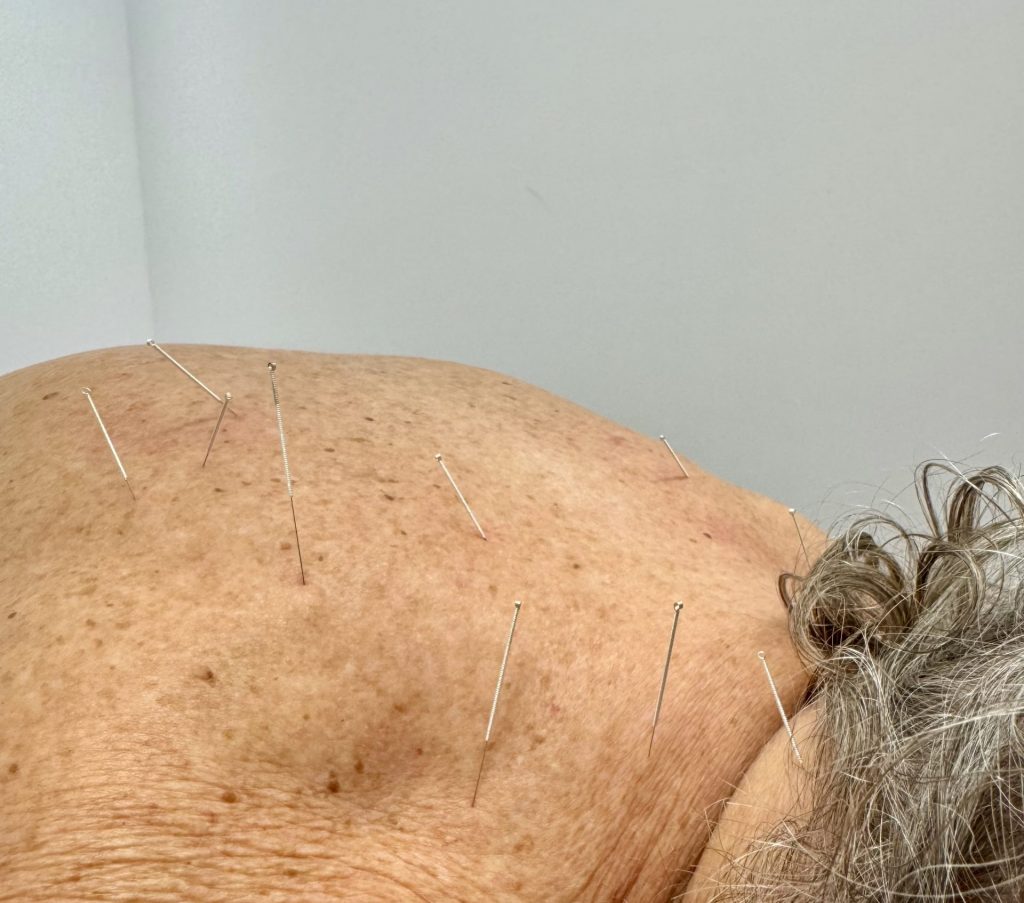
Dry Needling is a modern treatment technique used to target muscle tension and so-called trigger points. Using a very fine, sterile needle, tight muscle areas are treated to help relieve pain and improve mobility.
Unlike acupuncture, Dry Needling is based on anatomical and medical knowledge of the muscular system. The goal is to release muscle tightness and restore the muscles’ natural function.
⸻
When is Dry Needling used?
Dry Needling may be beneficial for a variety of conditions, including:
* Neck and shoulder pain
* Back pain
* Tension headaches
* Tennis elbow
* Muscle tightness
* Sports injuries
* Restricted movement
* Trigger point pain
Dry Needling is often combined with other physiotherapy treatments to achieve the best possible results.
⸻
How does the treatment work?
After a thorough assessment, your physiotherapist identifies the affected trigger points. Fine, single-use sterile needles are then carefully inserted into the tight muscles.
Depending on your condition, the treatment usually takes between 15 and 30 minutes.
⸻
Does Dry Needling hurt?
Most patients only feel a slight prick when the needle is inserted.
When a trigger point is reached, the muscle may briefly twitch. This is called a Local Twitch Response and is a normal reaction. It is often a sign that the trigger point has been successfully treated.
⸻
Are there any side effects?
When performed by a qualified physiotherapist, Dry Needling is considered a safe treatment.
Temporary side effects may include:
* Mild muscle soreness
* Small bruises
* Temporary fatigue
* A feeling of tightness in the treated area
These effects usually disappear within one or two days.
⸻
What are the benefits of Dry Needling?
✔️ Fast pain relief
✔️ Release of muscle tension
✔️ Improved mobility
✔️ Enhanced muscle recovery
✔️ Effective support for other physiotherapy treatments
⸻
Who is Dry Needling not suitable for?
Dry Needling may not be suitable for people with:
* Acute infections
* Certain blood clotting disorders
* Severe needle phobia
* Certain stages or conditions of pregnancy (depending on the area being treated)
Before every treatment, we carry out a thorough assessment and provide individual advice to ensure that Dry Needling is appropriate for you.
⸻
Conclusion
Dry Needling is an effective addition to modern physiotherapy. By targeting trigger points, it can help reduce pain, release muscle tension, and improve mobility.
If you would like to find out whether Dry Needling is the right treatment for your condition, we would be happy to advise you during a personal consultation.